
30 Years in MSC Red: A Conversation with Coach Orlando Osorio
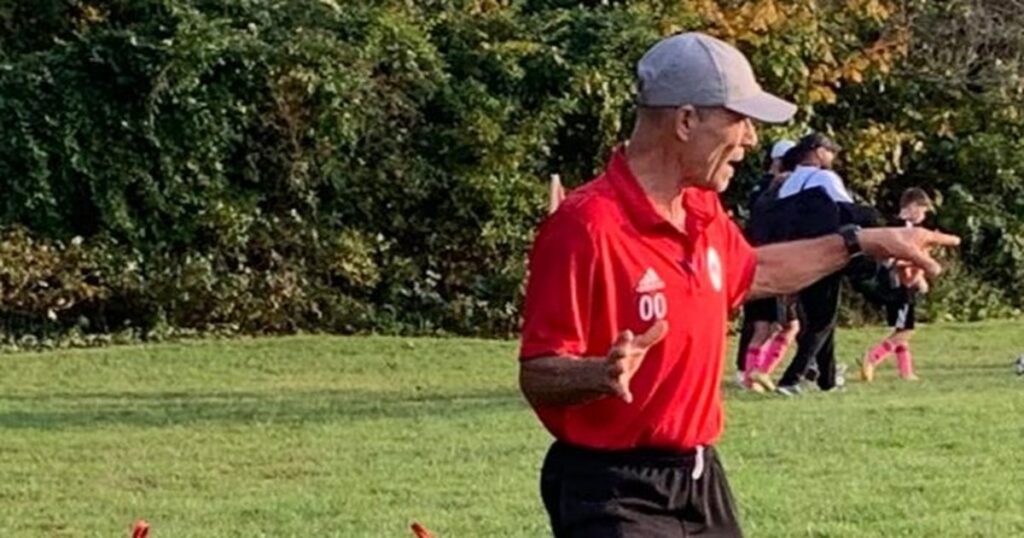
Our longest-serving coach, Orlando Osorio, begins his 30th year with MSC this fall. What keeps him coming back, and how does he stay focused on player development year after year? We sat down with the MSC legend to find out.
How many seasons have you been with MSC?
About 60, between spring and fall.
Sixty seasons! How do you keep your passion for your teams year after year?
It starts with a genuine love for the game, and the knowledge that coaching gives me a unique chance to have a positive impact on young players. I also stay focused on development. I go into every season with a plan to improve individual and team performance, and I get motivated trying new methods and ideas, then watching each player and the team put them into practice.
You've coached across many age groups and levels. What sets your most successful teams apart?
Commitment, trust in the coaching, a love for the game, and the understanding that hard work pays off. Attending practice is essential to building competitive skills, individually and as a team. My most successful groups always had high attendance at practices and tournaments, loved playing, and went into every match believing a win is better than a loss.
Parents play a crucial role, too. They make attendance possible, so open, clear communication with parents and players shows up directly in a team's success.
How do you set goals and keep your team accountable through the season?
Before the season starts, I have a development plan. If I'm returning to a team, I already know its strengths and the areas that need work, so my lesson plans tackle those from day one. I make sure players know that every missed practice is a missed chance to improve. During matches, I take notes on the team and on individual players, then build the week's practices around the most pressing areas before the next game.
What is your coaching philosophy? What makes a season successful?
I love winning games! Not at all costs, but as a result of outperforming the opponent. To do that consistently, I invest heavily in technique, tactics, fitness and effort. I want my teams to play possession soccer with room for individual creativity. Rather than kick-and-run, I ask for a high pass-completion rate, strong one-v-one play and effective transitions.
You've coached at both the club and high school level. How do MSC players benefit from playing in both?
The high school season is an intense six to ten weeks, from mid-August to early November. Club players usually stand out from the moment they try out, which gives them a real advantage in making their school team. Playing year-round with the club does a lot for their development. And because high school opponents can be one to four years older, that physical challenge pushes players to a higher level.
How have you changed as a coach during your time at MSC? And how has the club changed?
I've evolved a lot. I used to call every play from the sideline and yell the loudest. Now I let the kids play.
I give few instructions during matches, observe, and take notes on strengths, weaknesses and areas to improve.
The club has grown up, too. When I started, MSC was run largely by parent volunteers, who often hired coaches for their own teams and set the terms team by team. Their dedication built the club, but things could look very different from one team to the next. Today MSC has a professional structure, and coaches are hired on their coaching and playing experience, licenses and diplomas.
We hope you'll coach here for another 30 years. By the end of your career, how will you know you've succeeded?
It comes down to the positive impact a coach can have on every player, whether talented or average. Coaching isn't only about learning the game. It's about respecting everyone's effort, showing empathy for teammates and opponents, building confidence, meeting goals, overcoming obstacles and learning the value of teamwork.
The training field is a unique classroom. You teach competitive skills, but also how to behave at practice and how to treat teammates and the adults watching. Above all, I want players to learn to be grateful for the chance to play and for everything the game exposes them to.
I hope they will remember me as a coach who, in a small or big way, helped them become better people.